
ACE inhibitors are a key treatment for patients with heart failure, high blood pressure, or those with previous heart attacks. Examples include ramipril, perindopril, and enalapril.

ACE inhibitors are a key treatment for patients with heart failure, high blood pressure, or those with previous heart attacks. Examples include ramipril, perindopril, and enalapril.

Sinus rhythm is the normal regular heartbeat that most people are in.

Heart attacks are one of the worldwide leading causes of death. Although it is important to know the symptoms when they occur, how can you predict your chances of having a heart attack in the future before it happens?
A heart attack is a critical event – the heart muscle isn’t getting enough blood, giving patients symptoms of chest pain and shortness of breath. They can range from small amounts of damage to being life-threatening – so how do we treat heart attacks?

Your heart has four chambers, co-ordinated together to pump and receive blood from the body and the lungs. Connections between these chambers are colloquially referred to as ‘holes in the heart’ – sometimes normal, and sometimes not.

A heart murmur refers to an noise made by the heart by the flow of blood through the valves. In some cases, this can be a normal finding, and in others, it can indicate a serious problem.

Heart failure is a term used to describe a broad range of conditions that all share similar symptoms and signs. It is the fastest growing cardiovascular condition. At the core, heart failure is about one key principle: the heart’s function cannot match the body’s requirements.
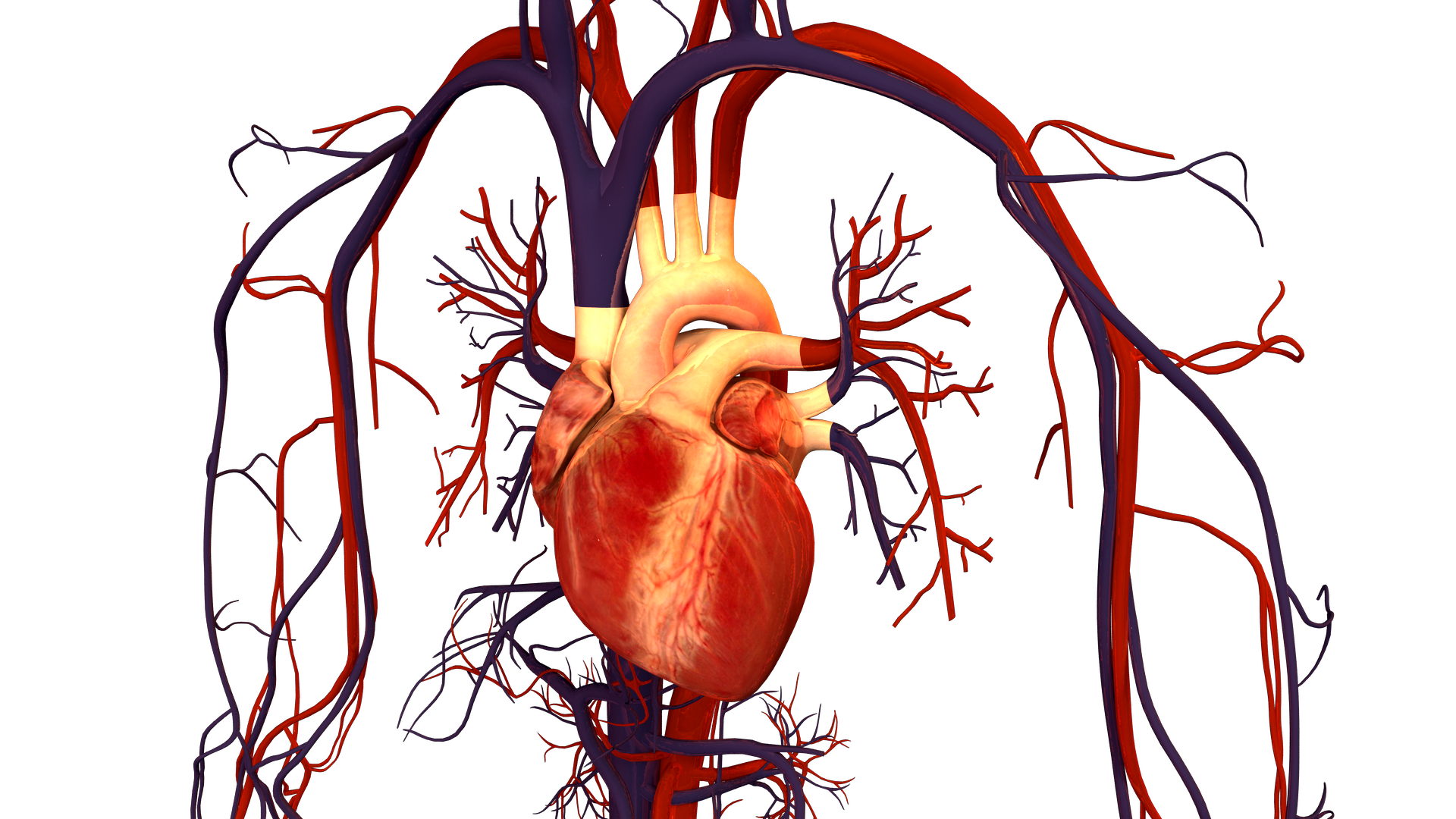
Having heart disease comes in many different forms, but in general there are four main categories in adults – coronary artery disease, heart failure, valvular heart disease and arrhythmia.

A pericardial effusion means you have an excess of fluid around the heart, which can push on the heart itself and cause problems.
 Australian Heart